Offshore Books That Price Like Exchanges (Without the Account Blocks)
Betting exchanges are attractive on paper: peer-to-peer pricing, low commission, and theoretically no limit on winning. In practice, experienced bettors encounter restricted markets, thin liquidity on smaller sports, and in some regions, outright access blocks. This page covers offshore sportsbooks that operate with exchange-style pricing discipline, where to find low-margin markets without the liquidity headaches, and why some offshore operators are now the practical choice for bettors who have exhausted or been cut off from exchange products.
Why Bettors Look Beyond Exchanges
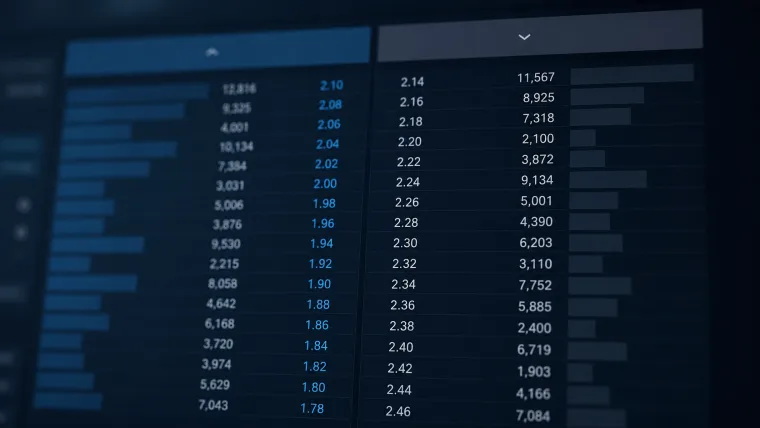
Exchanges like Betfair built their reputation on two things: you're matched against other bettors, not a book, so there's no inherent motive to limit winners, and the commission model is simple and transparent. But there are structural weaknesses that bite active bettors over time.
Liquidity is the most common problem. On major Premier League matches or NFL primetime games, you can get large positions matched efficiently. On a second-tier domestic league, a live horse race, or a niche totals market, the liquidity is often too thin to place a meaningful wager without moving the price against yourself. The exchange model works well at the top of the market and deteriorates quickly away from it.
Account-level restrictions are the second issue. Exchanges do restrict accounts, particularly where regulatory pressure forces them to monitor for certain betting patterns. Premium charges on sharp, profitable accounts are a known feature of some exchange platforms. For bettors who have encountered these charges or restrictions, moving part of their action offshore is often the practical response rather than an ideological choice.
What Makes an Offshore Book Exchange-Like
The term "exchange alternative" gets used loosely. Most offshore sportsbooks are not true peer-to-peer platforms. What experienced bettors mean when they use the phrase is that certain offshore books operate with margins and limit tolerances close enough to exchanges to be functionally competitive.
The characteristics to look for are tight two-way pricing (implied probability sums under 104 percent on mainstream markets), genuine limit tolerance on sharp action, and stable odds that don't immediately shorten when you bet into them. A book that cuts your account or slashes your limit the first time you show a winning record is not functioning as an exchange alternative, regardless of the marketing language.
| Feature | Exchange (ideal) | Exchange-style offshore book |
|---|---|---|
| Margin on spreads | 2–3% commission on winnings | 2–4% built into price |
| Sharp action tolerance | High (matched against other bettors) | High (market-maker model) |
| Liquidity depth | Varies heavily by market | Set by book; stable on major sports |
| Account restriction risk | Low in theory, higher in practice | Low on genuinely sharp-friendly books |
| Crypto support | Rare | Common on offshore platforms |
Liquidity, Market Depth, and Realistic Expectations
One honest concession: offshore sportsbooks do not match exchange liquidity at the top of the market on events like the Champions League final or a major heavyweight title fight. If your edge is in placing large positions on flagship events and having them matched instantly, a well-funded exchange with deep markets for that event is still the sharper instrument.
Where offshore books outperform in practice is on the breadth of coverage. Horse racing from Australian meetings at 5am, Asian handicap markets on Korean football, totals on minor league baseball; offshore books often have consistent lines and reasonable limits on markets where exchange depth is minimal or nonexistent. The diversity of coverage is a genuine competitive advantage.
For bettors who operate across multiple sports and bet at volumes where individual market liquidity is not a constraint, the gap between a well-run offshore book and an exchange narrows considerably. The decision often comes down to where your bankroll is most efficiently deployed, not a binary choice between the two models.
Advanced note: Some offshore books allow back-and-lay style wagering through integrated exchange modules or third-party peer-to-peer layers. These hybrid products are worth evaluating carefully. The key question is whether the liquidity in the peer-to-peer layer is genuine or artificially seeded by the operator, which affects how reliably you can exit positions in running markets.