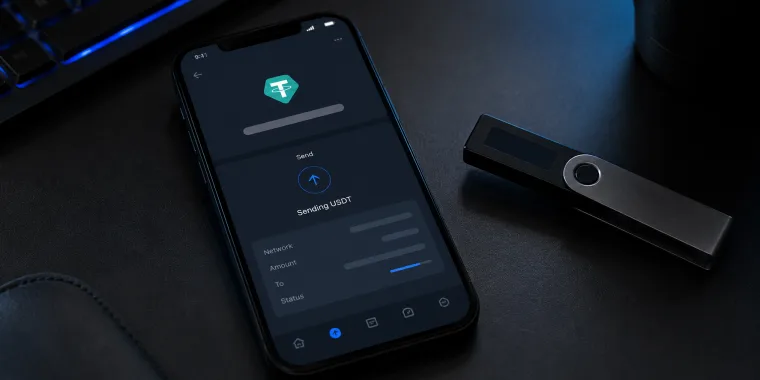
Start With a Separate Betting Wallet
The most practical piece of infrastructure you can set up is a dedicated wallet for betting funds. This is not about privacy theater; it is about clean bankroll accounting. When your betting crypto sits in its own non-custodial wallet (Exodus, Trust Wallet, or a hardware wallet for larger bankrolls), your running balance is always visible without digging through exchange transaction history.
Keep this wallet entirely separate from your trading or investment holdings. You want the mental clarity of knowing exactly what is in play. A combined wallet turns bankroll management into guesswork.
Avoid transferring directly from a centralized exchange to a sportsbook. Many exchanges flag or flag-delay outbound transfers to gambling operators, and some will close accounts for repeated transfers to known sportsbook addresses. Move funds from the exchange to your personal wallet first, then on to the book.
Deposits: What to Expect
Most offshore sportsbooks accept Bitcoin (BTC), Ethereum (ETH), Litecoin (LTC), and at least one stablecoin (usually USDT-TRC20 or USDT-ERC20). For regular deposits, USDT on the Tron network is often the most practical choice: low fees, fast confirmations, and no price exposure between sending and the book crediting your account.
Confirmation times vary by network. Bitcoin typically requires 1-3 confirmations before your balance is credited, which takes 10-30 minutes depending on mempool conditions. Tron-based tokens confirm in under a minute. If you need funds available quickly for a game that is about to start, Tron or Litecoin are better choices than Bitcoin.
Always copy-paste the deposit address rather than typing it manually, and confirm the first few characters match after pasting. Address-swapping malware exists and a single wrong character means permanent loss.
Withdrawals and Stablecoin Bankroll Management
One underused approach for serious bettors is keeping a portion of their bankroll in stablecoins within the sportsbook account. Rather than cycling in and out constantly, bettors who maintain a stable USDT balance avoid the volatility of holding BTC while waiting for edge to appear. If Bitcoin drops 15% between deposit and withdrawal, your effective betting yield shrinks accordingly.
Withdrawal processing at reputable offshore sportsbooks is typically same-day to 48 hours. If you are using a book that regularly delays crypto withdrawals beyond 72 hours without explanation, that is a red flag worth acting on before the balance grows larger.
For larger withdrawals, it is worth splitting into two or three transactions across different wallets rather than moving a large sum in one transfer. This has both tax-tracking and privacy benefits.
Tax and Record-Keeping Basics
Crypto betting creates a two-layer tax consideration in most jurisdictions: the gambling activity itself, and any capital gain or loss on the crypto used. If you bought Bitcoin at $30,000 and use it to fund a bet when it is worth $60,000, you have a taxable event on the appreciation regardless of the bet outcome.
The simplest way to avoid complexity here is to use stablecoins exclusively once you have converted your fiat into crypto. USDT pegged to $1.00 has no capital gain exposure. Keep a spreadsheet of deposit and withdrawal amounts in USD equivalent, dated, with the transaction hash. This covers you if you ever need to reconstruct records.
This is not legal or tax advice; consult a qualified tax professional familiar with both gambling and crypto in your jurisdiction. But not tracking at all is significantly worse than imperfect tracking.
Advanced note: If you use multiple offshore books, consider a separate wallet address per book rather than routing everything through a single address. This keeps your withdrawal history clean and makes it harder for automated systems to correlate your activity across operators.